


Few specification decisions carry higher stakes than choosing hazardous area instrumentation. In a petrochemical unit, a grain elevator, a pulp mill bleach plant or an underground mine, an improperly protected sensor or transmitter can become an ignition source for flammable gases, vapours or combustible dust. At the same time, these are precisely the environments where reliable measurement matters most: extreme heat, corrosive atmospheres, vibration and dust will destroy ordinary instruments long before their rated service life. This guide explains how explosion proof equipment, intrinsic safety, ruggedized industrial sensors and gas detection systems work together to keep Canadian facilities productive and personnel safe, and how CTH Industrial Controls helps engineering teams across Quebec and Canada specify the right solution the first time.
Table of Contents
- Why Hazardous Area Instrumentation Matters
- Hazardous Area Classifications: Zones, Divisions and the Canadian Electrical Code
- Protection Methods Compared: Intrinsic Safety, Explosion Proof and Purge
- Extreme Temperature Measurement in Foundries and Refineries
- Industrial Gas Detection and Confined Space Safety
- Precision Distance Measurement in Mining and Heavy Industry
- Sensors for OEMs and Machine Builders
- A Selection Framework for Hazardous and Extreme Environments
- Frequently Asked Questions
Why Hazardous Area Instrumentation Matters
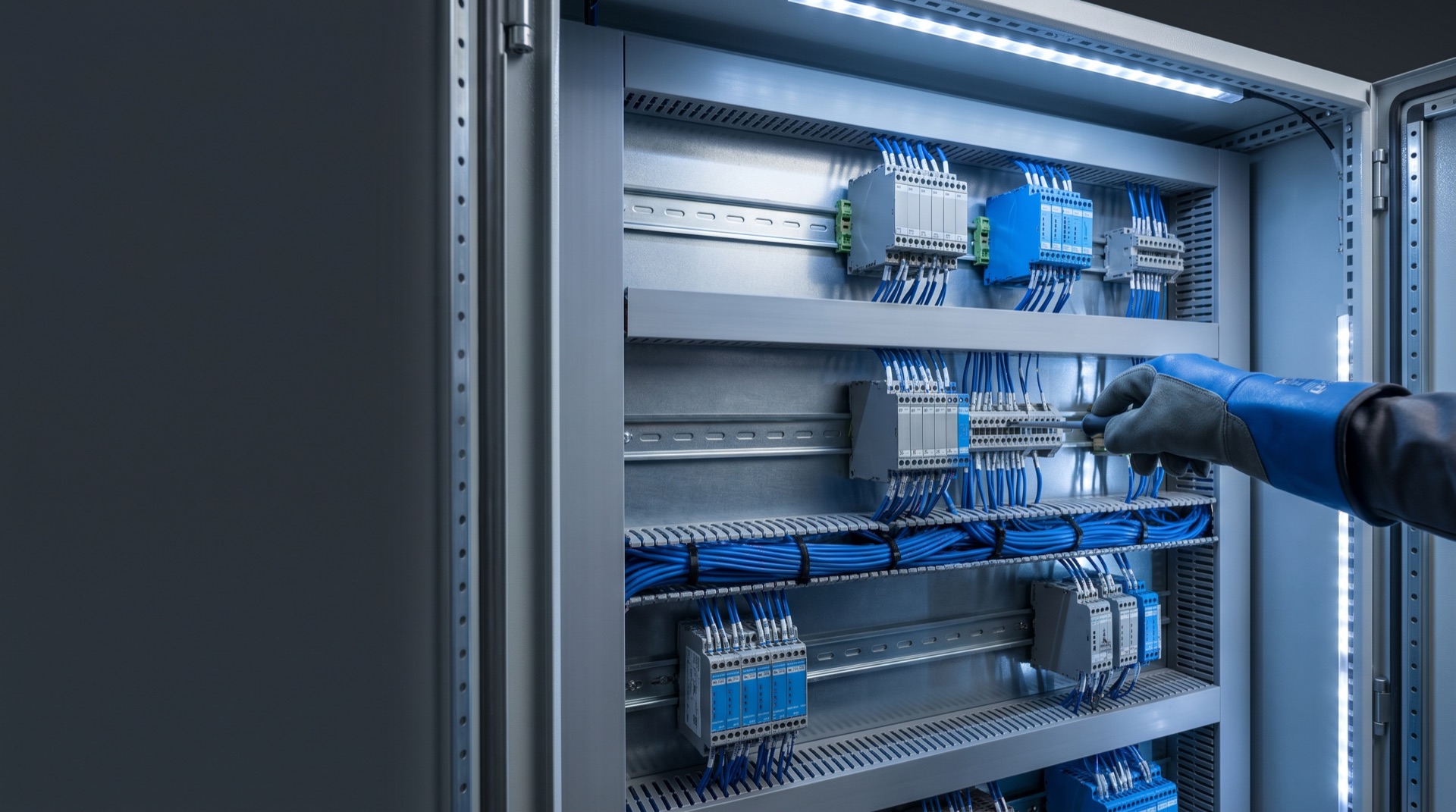
A hazardous (classified) location is any area where flammable gases, vapours, mists or combustible dusts may be present in quantities sufficient to create an explosion or fire risk. These areas exist in far more facilities than many managers realize. Refineries and chemical plants are obvious examples, but hydrogen storage rooms, wastewater digesters, paint booths, solvent storage areas, flour and sugar handling lines in food and beverage plants, and recovery boiler areas in pulp and paper mills can all be classified locations.
For HSE directors and electrical engineers, the implications are twofold. First, every electrical device installed in a classified area, including transmitters, sensors, power supplies and network equipment, must use a recognized protection method appropriate to the classification. Second, the instrumentation itself is often part of the safety strategy: gas detectors warn personnel before atmospheres become dangerous, temperature sensors flag abnormal process conditions, and distance sensors keep mobile equipment and people apart. Hazardous area instrumentation is therefore both a compliance obligation and a risk-reduction investment.
Beyond classified areas, extreme environments impose their own demands. Molten metal radiates heat that no standard sensor housing can survive. Mine dust abrades optics and clogs mechanical devices. Arctic installations see temperature swings that crack cable jackets and fog lenses. Ruggedized industrial sensors, engineered specifically for these conditions, are the difference between a measurement you can trust and a maintenance headache that never ends.
Hazardous Area Classifications: Zones, Divisions and the Canadian Electrical Code
Before any instrument can be specified, the area itself must be classified. In Canada, hazardous location requirements are addressed through the Canadian Electrical Code (CEC), published by CSA Group, and the certification marks accepted by provincial and territorial authorities. Two classification philosophies coexist in Canadian industry: the traditional Class/Division system and the internationally aligned Zone system. Both describe what type of hazardous material may be present and how likely it is to be present during normal operation, but they group the probabilities differently. Because requirements evolve and adoption varies by jurisdiction and installation vintage, always verify the applicable edition and local amendments with your authority having jurisdiction.
The classification drives everything downstream: which protection methods are acceptable, what equipment markings to look for, how wiring must be installed and how maintenance must be performed. Our detailed cluster guide, Understanding Hazardous Area Classifications: Zones, Divisions and Protection Methods, walks through the concepts step by step, including gas groups, temperature codes and how to read an equipment nameplate.
For practitioners, a few principles hold across systems:
- Classify first, specify second. Equipment selection without a current area classification drawing is guesswork.
- The least hazardous strategy is removal. Where possible, locate electronics outside the classified boundary and bring only the sensing element into the hazardous area.
- Documentation is part of the installation. Intrinsically safe loops in particular require descriptive system documentation that proves the combination of barrier, cable and field device is safe.
CTH supports this work with a deep portfolio of certified hardware, from PRO hazardous area products to the complete MTL intrinsic safety line of barriers, isolators and surge protection used in petrochemical and chemical plants worldwide.
Protection Methods Compared: Intrinsic Safety, Explosion Proof and Purge
Once an area is classified, engineers choose among several recognized protection methods. Each takes a different approach to the fire triangle: some contain an explosion, some exclude the hazardous atmosphere, and some limit energy so ignition cannot occur in the first place.
| Protection Method | How It Works | Typical Applications | Key Considerations |
|---|---|---|---|
| Intrinsic safety | Limits electrical energy in the field circuit below the level that could ignite the specified atmosphere, using barriers or isolators in the safe area | Transmitters, switches, sensors, low-power field devices in the most hazardous zones | Requires energy-limiting interface (Zener barrier or galvanic isolator) and loop documentation; allows live working in many cases |
| Explosion proof / flameproof enclosures | Contains an internal explosion and cools escaping gases so they cannot ignite the surrounding atmosphere | Motors, higher-power devices, local control stations, junction boxes | Heavy, costly enclosures; covers must be properly secured; power must typically be isolated before opening |
| Purge and pressurization | Maintains protective gas pressure inside an enclosure so the hazardous atmosphere cannot enter | Analyzer houses, control cabinets, large electrical assemblies in classified areas | Needs reliable air or inert gas supply and pressure monitoring; well suited to retrofitting standard equipment |
| Increased safety | Eliminates arcs, sparks and hot surfaces by enhanced construction quality | Terminal boxes, luminaires, some motors | Often combined with other methods; no normally arcing parts permitted |
| Non-incendive / energy-limited (lower-risk areas) | Ensures normal operation cannot ignite the atmosphere in areas where hazards are abnormal or infrequent | Instrumentation in less hazardous divisions or zones | Generally simpler and less costly, but restricted to lower-risk classifications |
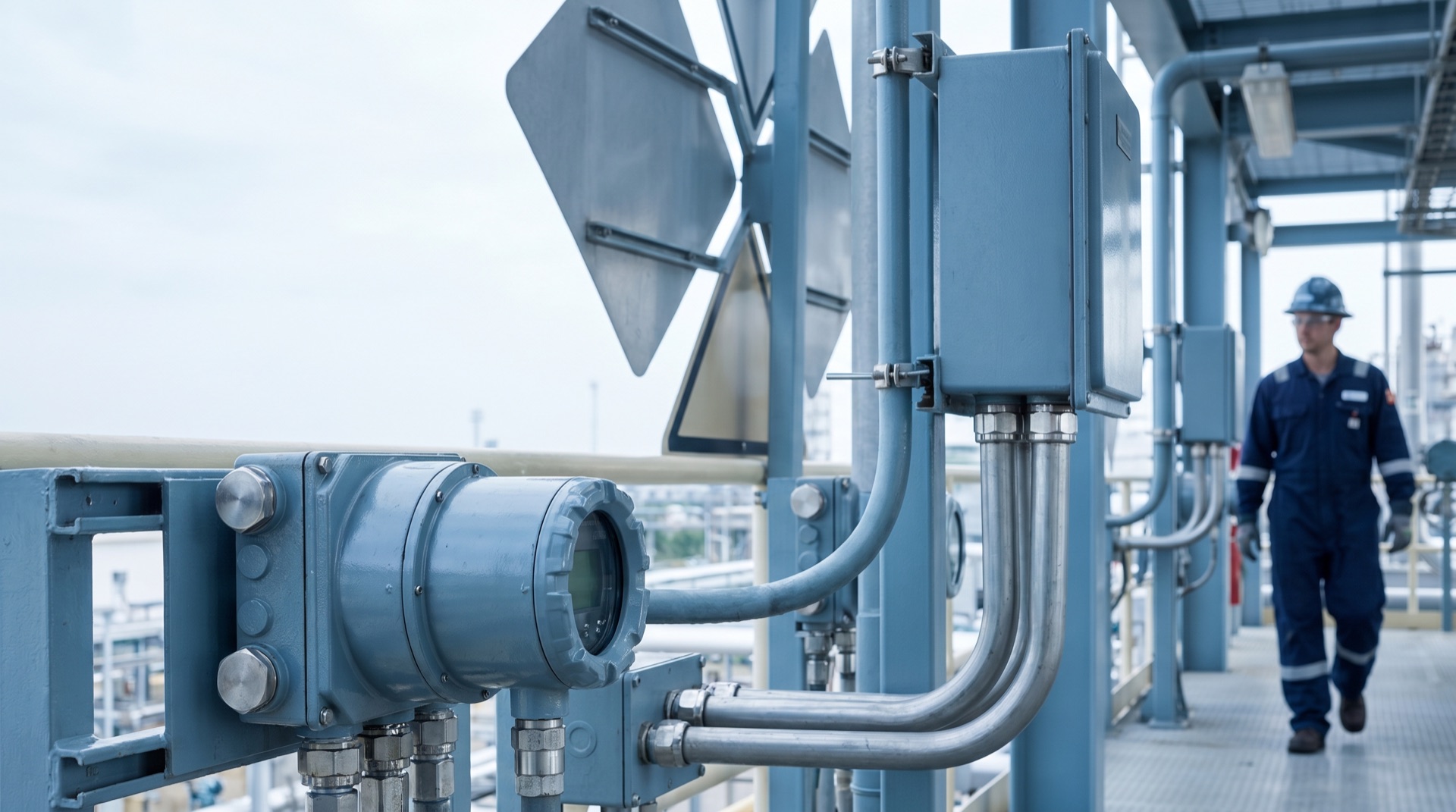
Intrinsic safety deserves special attention because it is the dominant method for process instrumentation. An intrinsically safe loop pairs a certified field device with an energy-limiting interface installed in the safe area. The simplest interfaces are intrinsically safe Zener barriers, which shunt fault energy to a dedicated earth. Galvanic isolators, such as those in the MTL range, eliminate the earthing requirement and add signal conditioning. A growing number of plants also specify an intrinsically safe power supply to feed hazardous-area electronics, and even intrinsically safe Ethernet infrastructure to extend digital networks into classified process units.
Explosion proof equipment remains essential where power levels rule out intrinsic safety, and purge and pressurization (Ex p) is frequently the most economical way to operate standard analyzers, drives or computers inside a classified area. In practice, most facilities combine methods: an explosion proof motor, intrinsically safe transmitters, and a purged analyzer shelter may all coexist within one process unit. The art lies in matching each method to the device, the classification and the maintenance philosophy. For a deeper treatment, see our guide to hazardous area classifications and protection methods.
Extreme Temperature Measurement in Foundries and Refineries
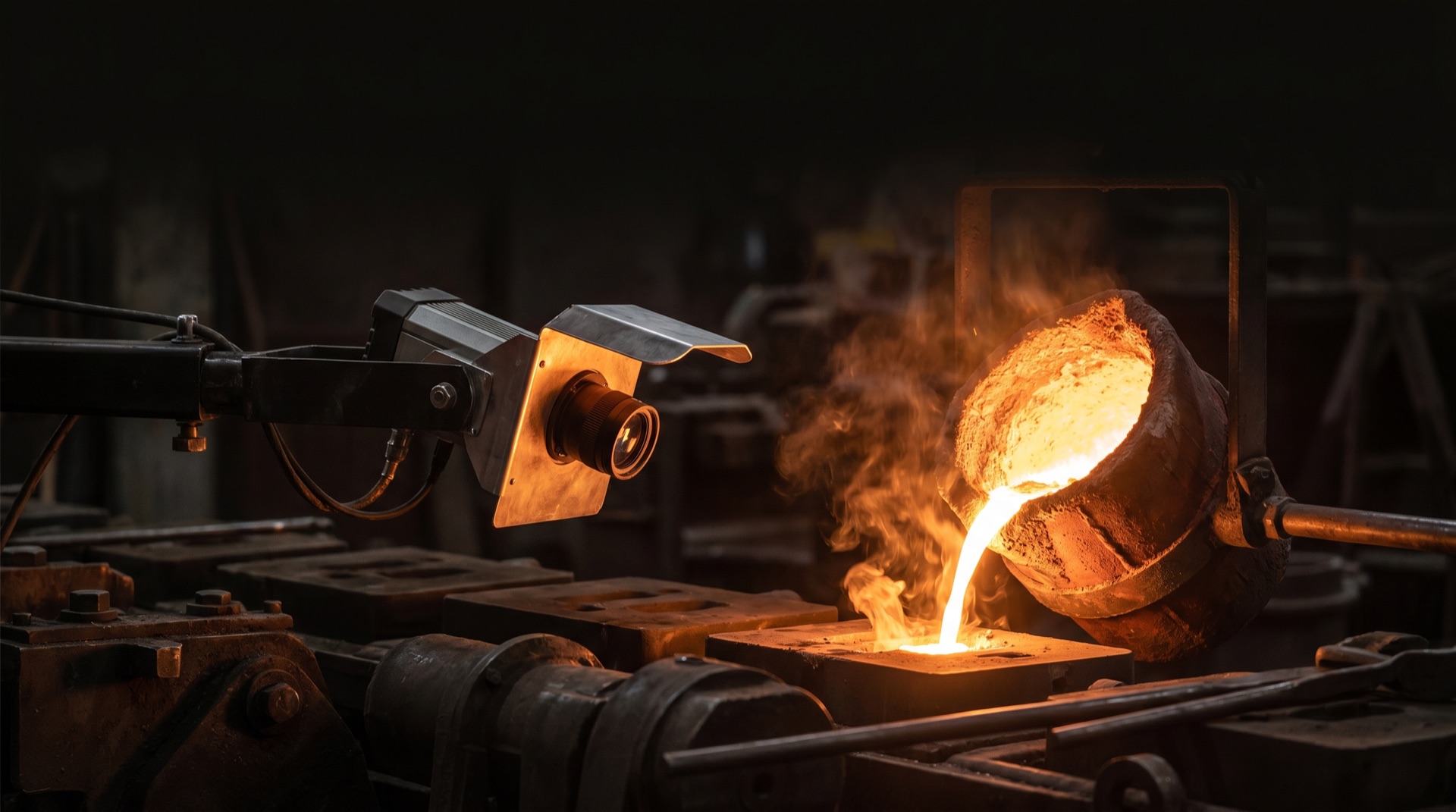
Not every extreme environment is an explosion hazard. In foundries, steel mills, glass plants and refinery fired heaters, the dominant challenge is heat itself. Measuring the temperature of molten aluminum, steel billets or furnace tubes accurately and repeatably calls for two complementary technology families: non-contact infrared sensors and ruggedized contact sensors.
Non-contact infrared pyrometers measure thermal radiation from a distance, keeping delicate electronics away from the process. The engineering challenges are emissivity, the surface property that determines how much radiation a material emits at a given temperature, and the sight path between sensor and target, which must remain free of steam, dust and flame interference. Specialized multi-wavelength instruments from Accurate Sensors Technologies are engineered specifically for difficult low-emissivity targets such as molten and rolled aluminum, where conventional pyrometers struggle.
Where contact measurement is required, ruggedized thermocouples and RTDs from Intempco bring industrial-grade construction: heavy-wall protection tubes, ceramic and metal thermowells, high-temperature cabling and connection heads that survive vibration and thermal cycling. Intempco temperature sensors are widely used across Canadian heavy industry precisely because they can be configured, with the right sheath material, junction style and process connection, for each individual application rather than forced into a generic form factor.
Selecting between infrared and contact measurement, and engineering the installation details that determine long-term accuracy, is covered in depth in our cluster article Extreme Temperature Measurement: Infrared Sensors and Ruggedized Thermocouples. CTH stocks both technology families, and our broader temperature portfolio includes general-purpose temperature sensors for less punishing duty.
Industrial Gas Detection and Confined Space Safety
Where hazardous area classification protects against the equipment igniting an atmosphere, gas detection protects against the atmosphere itself. Toxic gases such as hydrogen sulphide, carbon monoxide and ammonia, combustible gases such as methane, and simple oxygen deficiency in confined spaces remain among the most serious hazards industrial workers in Canada face.
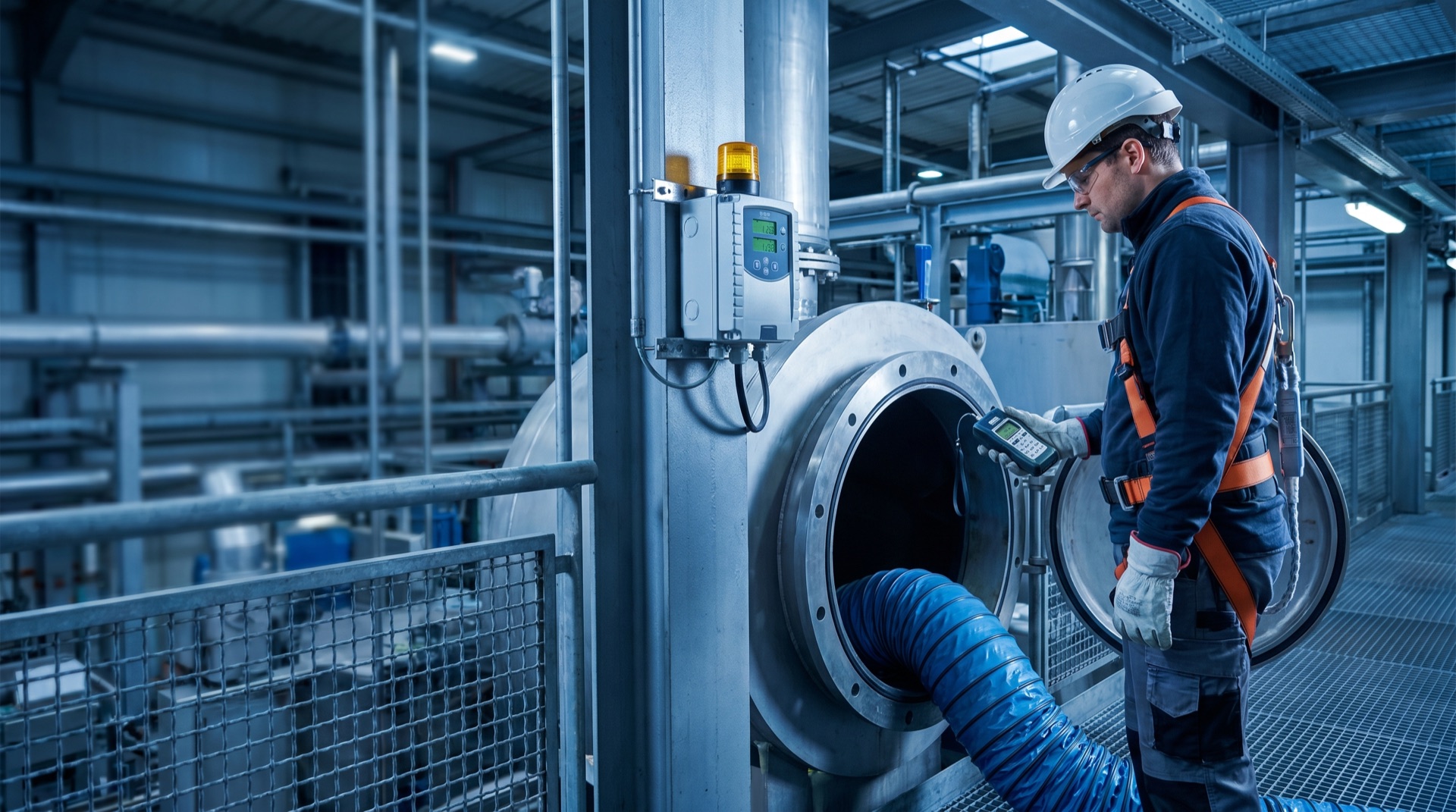
A complete gas detection strategy layers two equipment types. Fixed gas detection systems monitor known risk points continuously: pump seals, compressor buildings, battery rooms, chlorination areas and wastewater headworks. Portable and personal monitors travel with workers, providing the last line of defence during confined space entry, maintenance turnarounds and emergency response. Sensor technologies, including electrochemical cells for toxic gases, catalytic and infrared sensors for combustibles, and photoionization detectors for volatile organic compounds, each have strengths, cross-sensitivities and lifespans that must be matched to the target gases.
CTH is a Canadian source for ENMET gas detection instruments, a brand specializing in fixed monitors, portable detectors and breathing-air quality monitoring for compressed airline systems. ENMET equipment is found in applications from pharmaceutical cleanrooms to municipal lift stations, and the ENMET product range includes solutions for many gases that generalist suppliers do not cover.
Equally important is the maintenance discipline behind the hardware: regular bump testing to confirm sensors respond, and periodic calibration to confirm they respond accurately. Our cluster guide Industrial Gas Detection: Protecting Personnel in Confined Spaces explains fixed versus portable architectures, sensor selection and testing practices in practical detail.
Precision Distance Measurement in Mining and Heavy Industry
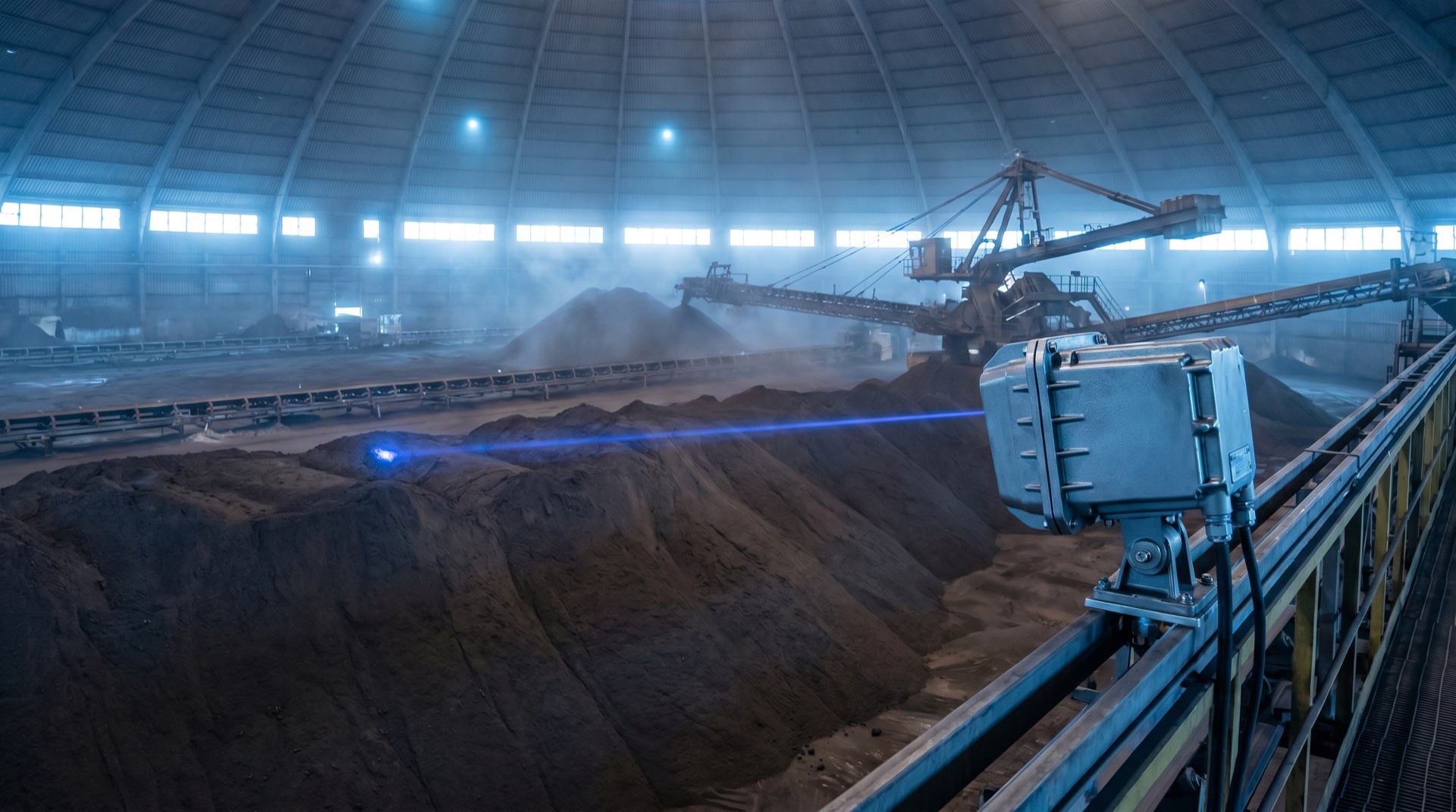
Mining and metallurgy combine almost every extreme: dust, vibration, impact, temperature swings and long measurement ranges that rule out most conventional sensors. Laser distance measurement has become the technology of choice for positioning stacker-reclaimers, monitoring stockpile levels, verifying crusher feed, tracking ladle and crane positions in steel mills, and providing collision avoidance for rail-mounted machines.
Swiss-made Dimetix laser distance sensors are a benchmark in this space, delivering precise measurement over long ranges on natural surfaces, without reflectors, in industrial housings designed for harsh duty. Dimetix sensors are widely applied in Canadian mining and metallurgical plants for exactly the applications above. For the most punishing outdoor and high-dust positioning tasks, radar-based sensors from Astech complement laser technology, trading some precision for immunity to airborne particulate.
The engineering considerations, how target reflectivity affects achievable range, how to mitigate dust with protective housings and air purges, and where laser outperforms radar and vice versa, are explored in our cluster article Precision Distance Measurement: Laser and Radar Sensors for Harsh Environments. Readers planning broader mine-site monitoring programs may also find our overview of mining instrumentation and monitoring in Canada useful.
Sensors for OEMs and Machine Builders
Beyond plant maintenance and capital projects, CTH Industrial Controls supplies measurement components to original equipment manufacturers across Quebec and Canada. Machine builders, skid packagers and systems integrators design sensors into products that ship in volume, which changes what matters: repeatable specifications, consistent lead times, compact form factors and engineering support during the design phase rather than after commissioning.
The OEM portfolio spans the core measurements machine designers integrate most often:
- Laser distance measurement: Dimetix laser distance sensors provide precise non-contact positioning for material handling equipment, cranes, stackers and automated machinery.
- Radar distance measurement: Astech radar sensors handle distance and speed measurement where dust, steam or fog defeat optical methods.
- Infrared vision and thermal measurement: Accurate Sensors Technologies non-contact infrared systems give OEMs continuous temperature imaging for furnaces, casting lines and rolling mills.
- Temperature probes: Intempco RTDs, thermocouples and temperature sensors in configurations suited to integration into heating, packaging and processing equipment.
- Pressure sensing: compact pressure sensors and transmitters for hydraulic, pneumatic and process duties inside packaged equipment.
If you are developing or refreshing a machine design, involve our application engineers early. Component selection at the drawing stage avoids costly redesign later, and we can advise on certification implications when your equipment will be installed in classified areas.
A Selection Framework for Hazardous and Extreme Environments
Specifying hazardous area instrumentation in Canada is easier when the problem is broken into a disciplined sequence:
- Confirm the area classification. Obtain current classification drawings and the basis documents behind them. If the process has changed since the last study, the classification may need revisiting before any equipment decisions are made.
- Define the measurement requirement. Range, accuracy, response time, process connection and output protocol come first; protection method is a constraint, not a starting point.
- Choose the protection method per device. Favour intrinsic safety for low-power instrumentation, explosion proof construction for power equipment, and purge or pressurization for assemblies that cannot be certified individually.
- Verify certification for Canada. Equipment must carry a certification mark accepted in your jurisdiction, with markings that match the classification, gas or dust group and temperature code of the location. When in doubt, confirm with CSA Group documentation or your provincial authority.
- Engineer the environmental survival package. Ingress protection, sunshades, heated enclosures for Canadian winters, vibration isolation, abrasion-resistant cabling and corrosion-resistant wetted materials determine whether the instrument lasts.
- Plan the maintenance regime. Bump testing for gas detectors, periodic barrier and earthing inspections for intrinsically safe loops, and lens cleaning schedules for optical sensors should be defined before commissioning, not after the first failure.
Hazardous-area thinking also extends into the other measurement disciplines we cover in this knowledge centre. Level instruments in flammable-liquid storage tanks, addressed in our guide to industrial level measurement technologies, are frequently certified intrinsically safe or explosion proof. Flow meters in hydrocarbon service, covered in our industrial flow measurement and custody transfer guide, face the same constraints. And plants extending digital networks into classified units should review our material on wireless communication in heavy industry, part of the predictive maintenance and process automation guide.
Finally, context matters. The right answer for a petrochemical complex on the South Shore of Montreal differs from the right answer for a remote northern mine or a sawmill dust-collection system. CTH supplies hazardous area instrumentation Canada-wide, with bilingual application support rooted in Quebec, and works across all major Canadian industries. That cross-sector experience often shortens the path to a proven configuration.
Frequently Asked Questions
What is the difference between explosion proof and intrinsically safe equipment?
Explosion proof (flameproof) equipment assumes an ignition may occur inside the enclosure and is built to contain the explosion and prevent it from propagating to the surrounding atmosphere. Intrinsically safe equipment takes the opposite approach: it limits the electrical and thermal energy available in the circuit so that ignition cannot occur at all, even under defined fault conditions. Intrinsic safety is generally preferred for low-power devices such as transmitters and sensors because the hardware is lighter and live maintenance is often permissible, while explosion proof construction suits motors, heaters and other high-power equipment.
Do I need an intrinsically safe power supply for my field instruments?
If a powered device is located in a classified area and is protected by intrinsic safety, then every source of energy reaching it must be appropriately limited. That is usually accomplished with certified interface devices such as Zener barriers or galvanic isolators, and in some architectures with an intrinsically safe power supply designed for hazardous-area duty. The complete loop, including the power source, interface, cable parameters and field device, must be documented as a system. CTH application engineers can review your loop drawings and recommend suitable MTL or PRO hardware.
How are hazardous areas classified in Canada?
Canadian installations follow the Canadian Electrical Code, published by CSA Group, which recognizes Zone-based classification for new gas and vapour installations while many existing facilities still operate under the legacy Class/Division system. The classification identifies the type of hazardous material, its ignition properties and the likelihood of its presence. Because editions, deadlines and local amendments vary by province and by installation, always confirm requirements with the authority having jurisdiction for your site. Our hazardous area classification guide explains the concepts in plain language.
How often should gas detectors be calibrated and bump tested?
Best practice is to bump test portable gas detectors before each day of use to confirm the sensors respond to gas, and to perform full calibration at the interval recommended by the manufacturer, more frequently in dirty or chemically aggressive environments. Fixed gas detection systems should be tested and calibrated on a documented schedule as part of the facility safety program. Manufacturer guidance, such as that published by ENMET, together with your regulatory and corporate requirements, should define the exact regime for each instrument.
Can laser distance sensors work reliably in dusty mining environments?
Yes, with the right engineering. Industrial laser distance sensors such as the Dimetix range are designed for harsh service, and dust effects are managed through protective enclosures, air-purged optics, appropriate mounting geometry and sensible maintenance intervals. In extremely high particulate concentrations where the beam path itself is obscured, radar-based distance sensors are the usual alternative. Our article on precision distance measurement compares the options.
Request an Application Engineering Consultation
Every hazardous area and extreme environment application is different, and the cost of a wrong specification, in downtime, rework or risk exposure, far exceeds the cost of getting expert input early. CTH Industrial Controls supports HSE directors, electrical engineers and risk assessors across Quebec and Canada with application engineering assistance, certified hazardous-area hardware and ruggedized sensors from leading manufacturers including MTL, ENMET, Dimetix, Astech, Accurate Sensors Technologies and Intempco. Whether you are classifying a new process unit, upgrading gas detection or solving a measurement problem no catalogue product seems to fit, request an application engineering consultation and put our cross-industry experience to work on your project.