


Few workplace environments concentrate more risk than a confined space. Tanks, digesters, sewers, silos, process vessels and utility vaults can harbour atmospheres that are oxygen deficient, toxic or explosive, often with no visible warning. Effective industrial gas detection is the layer of protection that turns an invisible hazard into an actionable alarm, giving workers time to evacuate and supervisors the data they need to authorize safe entry. This guide is part of our pillar resource on instrumentation for hazardous areas and extreme environments, and it focuses on the practical decisions facing Canadian plants: fixed versus portable monitors, sensor technologies, and the calibration and bump-testing practices that keep instruments reliable.
CTH Industrial Controls supports facilities across Quebec and the rest of Canada with ENMET gas detection systems for confined space entry, continuous area monitoring and personnel protection. Whether you operate a wastewater plant, a kraft mill or a food processing facility, the principles below apply.
Why Industrial Gas Detection Matters in Confined Spaces
A confined space is dangerous precisely because it is not designed for continuous occupancy: ventilation is limited, access is restricted, and hazardous atmospheres can develop or persist without obvious signs. Many toxic gases are colourless; some, like hydrogen sulphide, deaden the sense of smell at dangerous concentrations, removing the very warning workers might rely on. Oxygen deficiency produces no sensory warning at all before impairment sets in.
Canadian occupational health and safety regulations, including Quebec’s provincial requirements, generally mandate atmospheric testing before and during confined space entry. The specific testing sequence, alarm criteria and documentation requirements vary by jurisdiction, so always verify your obligations with the applicable regulatory authority. What every regime has in common is this: the regulation can only be satisfied with properly selected, calibrated and maintained gas detection instruments.
Common Atmospheric Hazards by Industry
A confined space gas monitor is typically configured for four threats: oxygen level, combustible gases, and one or two toxic gases relevant to the process. Typical hazards include:
- Oxygen deficiency or enrichment: caused by inert gas purging, rusting steel, microbial activity, displacement by other gases, or leaking oxygen lines.
- Hydrogen sulphide (H2S): common in wastewater collection systems, pulp and paper mills and sour hydrocarbon service.
- Carbon monoxide (CO): produced by combustion equipment, engines and certain process reactions.
- Combustible gases and vapours: methane in digesters and landfills, solvent vapours in coating operations, and hydrocarbon vapours throughout petrochemical and refining facilities.
- Carbon dioxide and ammonia: significant in food and beverage plants, where fermentation, carbonation and ammonia refrigeration systems create well-documented confined space risks.
Because the hazard profile differs so much between sectors, gas detector selection should always start with a process-specific hazard assessment. CTH works with clients across the industries we serve to match sensor configurations to the actual gases present.
Fixed vs. Portable Gas Monitors
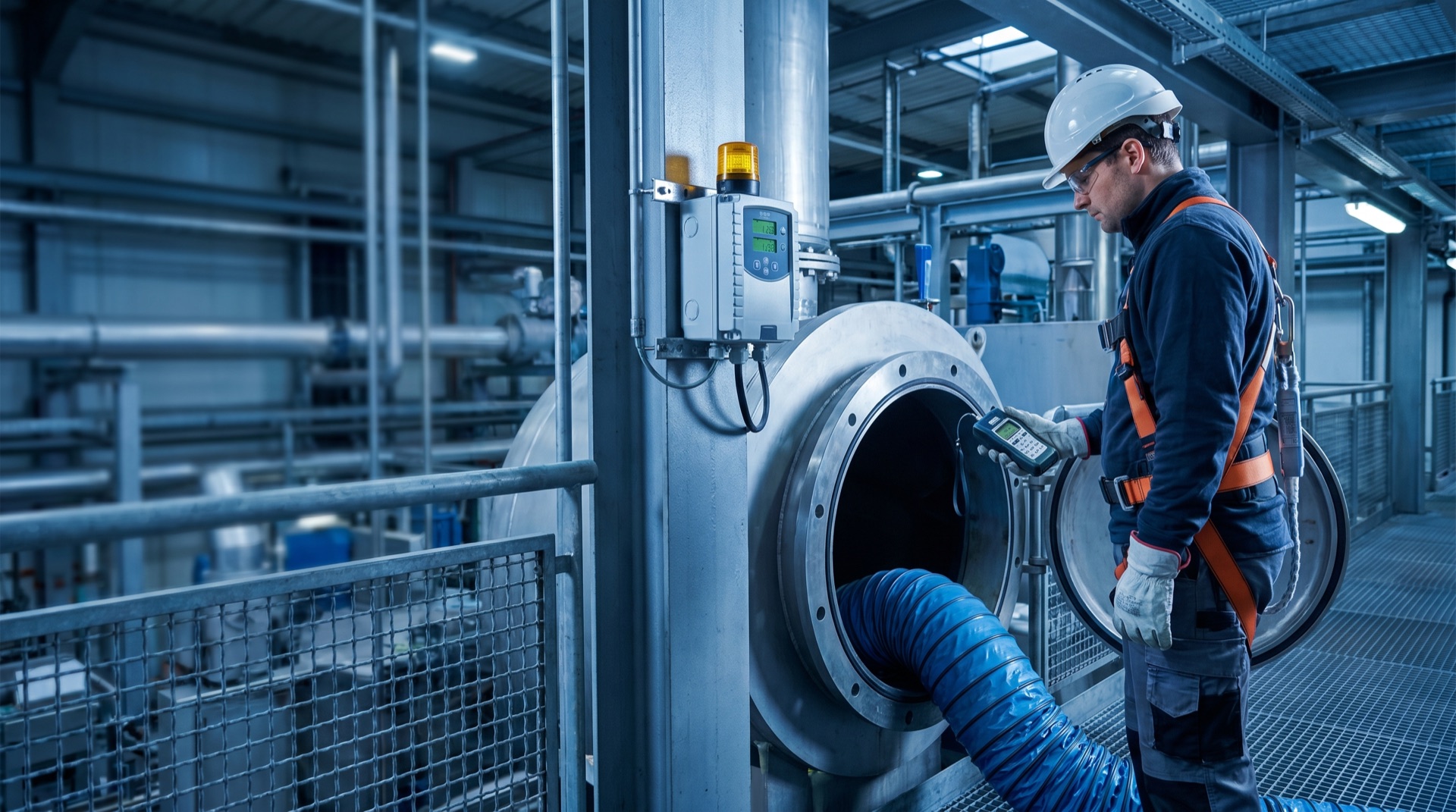
The first architectural decision is whether monitoring should travel with the worker, stay with the space, or both. In most confined space programs the answer is both: fixed systems provide continuous surveillance of known hazard areas, while portable instruments verify conditions at the point of entry and accompany personnel inside.
| Criterion | Fixed Gas Detection Systems | Portable Gas Monitors |
|---|---|---|
| Primary role | Continuous monitoring of a defined area or process; alarm and ventilation interlocks | Pre-entry testing, personal protection during entry, hole watch and rescue support |
| Coverage | Specific locations where hazards are expected (sumps, pump rooms, chemical storage) | Wherever the worker goes, including remote sampling with pumps and probes |
| Response actions | Can drive horns, beacons, exhaust fans, shutdowns and control system inputs | Audible, visual and vibrating alarms carried on the person |
| Maintenance model | Scheduled calibration in place; sensors serviced on a route basis | Bump test before use; periodic calibration per manufacturer guidance |
| Typical limitation | Cannot protect workers outside sensor coverage | Depends on disciplined use, charging and testing by personnel |
A practical confined space program layers the two: fixed monitors guard chronic hazard points such as wet wells or refrigeration machinery rooms, while portable multi-gas instruments confirm the atmosphere before each entry and continuously during occupancy. The ENMET gas detection line carried by CTH spans both architectures, from fixed single-point and multi-channel systems to portable monitors and sampling accessories, so the same supplier can support the whole program.
Gas Sensor Technologies: Matching the Sensor to the Hazard
Behind every toxic gas detector or combustible gas monitor sits one of a handful of sensing technologies, each with characteristic strengths.
Electrochemical sensors
The workhorse for toxic gases and oxygen. A target gas diffusing into the cell drives an electrochemical reaction that produces a current proportional to concentration. They offer good sensitivity at low concentrations but have finite lifespans and can be affected by temperature extremes and cross-interfering gases.
Catalytic bead sensors
The traditional choice for combustible gases. A heated catalytic element oxidizes flammable gas, and the resulting temperature change is measured. They respond to a broad range of combustibles but require oxygen to operate and can be poisoned by silicones and certain sulphur compounds.
Infrared (NDIR) sensors
These detect gases such as hydrocarbons and carbon dioxide by their absorption of infrared light. They function in oxygen-free atmospheres, resist poisoning and tend to be stable over time, which makes them attractive for inerted vessels and continuous duty.
Photoionization detectors (PID)
PIDs detect volatile organic compounds at low concentrations by ionizing them with ultraviolet light. They are valuable where solvent or fuel vapours present a toxicity hazard well below combustible levels.
Selection is rarely about one “best” technology; it is about matching the sensor to the gas, the concentration range of interest and the operating environment, the same discipline that applies to extreme temperature measurement and other harsh-environment instrumentation.
Calibration and Bump Testing: Keeping Detectors Trustworthy
A gas detector that has drifted out of tolerance is more dangerous than no detector at all, because it creates false confidence. Two routines protect against that risk:
- Bump testing (functional testing): briefly exposing the instrument to a known test gas to confirm that sensors respond and alarms activate. Widely accepted industry guidance recommends a bump test before each day’s use of a portable instrument used for life-safety decisions.
- Full calibration: adjusting the instrument’s response against a certified calibration gas so that readings remain accurate. Calibration intervals should follow the manufacturer’s instructions and your own site experience with sensor drift and environmental exposure.
Good practice also includes using in-date certified calibration gas, documenting every test and calibration, and removing failed instruments from service immediately. Facilities with formal quality systems often look for calibration services and reference gases with recognized traceability; standards such as ISO 17025 address laboratory calibration competence at a general level, and you should confirm specific requirements with your auditor or regulator. For fixed systems, calibration should be coordinated with any control system interlocks so that ventilation and alarm functions are verified end to end.
Gas Detection in Classified Hazardous Areas
When a detector must operate inside an area where flammable gases or vapours may be present, the instrument itself must be suitable for the electrical classification of that location under the Canadian Electrical Code and the applicable CSA certification scheme. Verifying that a monitor carries appropriate Canadian hazardous location approval for the zone or division in question is a fundamental selection step; certification requirements should always be confirmed against the current code and with the authority having jurisdiction. For a grounding in how these areas are defined, see our companion guide to hazardous area classifications, zones, divisions and protection methods.
Gas detection rarely stands alone. In mining, for example, it sits alongside ventilation monitoring and precision distance measurement for harsh mining environments as part of a broader safety and automation strategy. Thinking about gas detection within that wider context, rather than as an isolated purchase, produces programs that are easier to maintain and audit.
Frequently Asked Questions
What is the difference between a fixed and a portable confined space gas monitor?
A fixed monitor is permanently installed to watch a specific area continuously and can trigger ventilation fans, horns and control system actions. A portable confined space gas monitor travels with the worker, verifying the atmosphere before entry and alarming on the person during occupancy. Most confined space programs use both, because each covers gaps the other leaves open.
How often should a toxic gas detector be calibrated?
Follow the manufacturer’s recommended calibration interval as a baseline, then adjust based on your environment, sensor age and bump-test history. A daily bump test before use is the widely recommended practice for portable instruments; full calibration is performed less frequently but on a documented schedule. Regulatory or corporate requirements may be stricter, so verify with the applicable authority.
Which gases should an industrial gas detection program monitor in a confined space?
At minimum, oxygen level and combustible gases, plus the toxic gases identified in your hazard assessment. Hydrogen sulphide and carbon monoxide are the most common toxic targets, but plants handling ammonia refrigeration, CO2, chlorine or solvent vapours need sensors configured for those specific hazards.
What is a bump test, and is it the same as calibration?
No. A bump test is a quick functional check: the instrument is exposed to test gas to confirm the sensors respond and the alarms fire. Calibration goes further by adjusting the instrument’s readings against a certified reference gas. Bump tests are done frequently, often daily before use, while calibration follows a longer documented interval.
Can gas detectors be installed in classified hazardous locations in Canada?
Yes, provided the instrument carries hazardous location certification appropriate to the area’s classification under the Canadian Electrical Code and CSA requirements. The classification of the location and the marking on the instrument must be matched during selection, and final acceptance rests with the authority having jurisdiction.
Request an Application Engineering Consultation
Specifying gas detection involves more than picking a sensor: hazard assessment, monitor placement, alarm strategy, hazardous location certification and an achievable calibration program all have to line up. As a Quebec-based supplier of industrial gas detection and process instrumentation, CTH Industrial Controls helps Canadian facilities work through each of those decisions with ENMET fixed and portable systems, and with the complementary technologies covered throughout our guide to hazardous area and extreme environment instrumentation.
Request an application engineering consultation to review your confined space monitoring requirements, or browse the full range of manufacturers CTH carries to see how gas detection fits into your wider instrumentation strategy.