



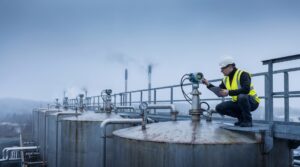

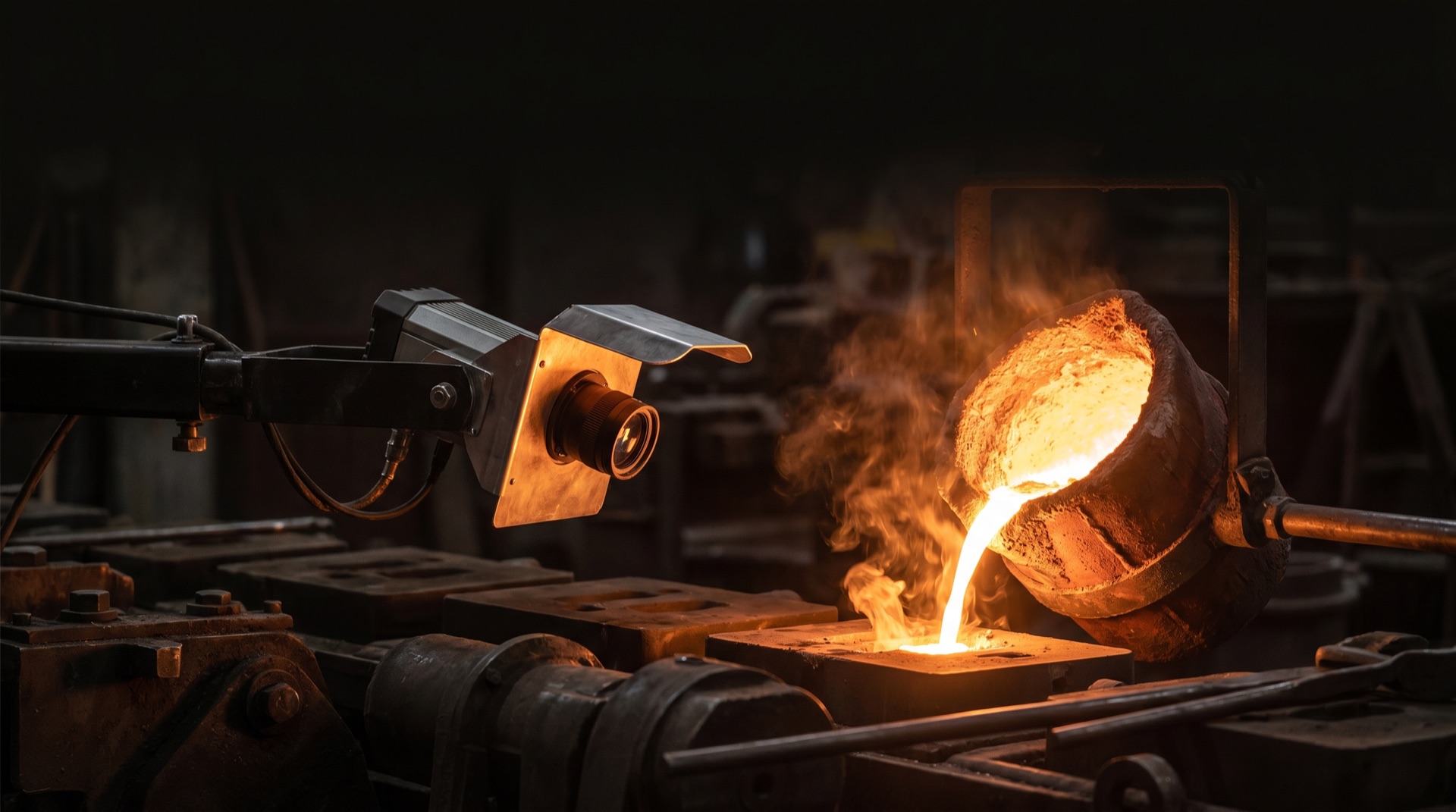
Molten metal at the launder, billets exiting a reheat furnace, fired-heater tubes in a refinery: these are environments where ordinary sensors fail in weeks, sometimes hours. Choosing an infrared temperature sensor industrial teams can rely on, or a ruggedized thermocouple assembly built for continuous immersion in extreme heat, is one of the most consequential instrumentation decisions a foundry, steel mill or refining operation will make. This guide is part of our complete resource on instrumentation for hazardous areas and extreme environments, and it examines the two workhorse technologies for extreme temperature measurement: non-contact infrared pyrometry and contact thermocouples engineered to survive.
For Quebec and Canadian plants, the stakes extend beyond accuracy. Measurement drift in a holding furnace wastes energy, increases scrap and can put heat-treatment certifications at risk. The right technology, combined with installation details such as emissivity settings, sight paths, protection tubes and high-temperature cabling, determines whether your foundry temperature measurement program stays trustworthy year after year.
Why Extreme Heat Defeats Conventional Temperature Sensors
Most general-purpose RTDs and thermocouples are designed for conditions far milder than a melt deck or a refinery furnace. At extreme temperatures, failure mechanisms compound: sensing elements drift as alloys degrade, insulation breaks down, protection sheaths corrode or crack under thermal shock, and electromagnetic interference from induction furnaces corrupts low-level signals. Slag, dross and molten metal physically attack anything immersed in the process.
The engineering response falls into two camps. Non-contact infrared sensors remove the instrument from the hostile medium entirely, measuring thermal radiation from a safe distance. Ruggedized contact sensors accept the hostile environment and armour the measurement with protection tubes, refractory materials and robust terminations. Most foundries, steel mills and refineries end up using both, matched to each measurement point.
Infrared Temperature Sensor Industrial Applications: Emissivity and Sight Paths
An infrared pyrometer infers temperature from the thermal radiation a surface emits. Because nothing touches the process, response is effectively instantaneous and there is no probe to burn out, which makes infrared ideal for moving targets such as billets, strip, wire rod and molten metal streams. Two installation factors decide whether a non-contact reading is excellent or misleading: emissivity and the optical sight path.
Emissivity Basics
Emissivity describes how efficiently a surface radiates thermal energy compared with a perfect blackbody. Oxidized steel radiates strongly; clean, shiny or molten metal surfaces radiate poorly and reflect their surroundings, which can fool a single-wavelength instrument set to the wrong value. Practical countermeasures include selecting wavelengths suited to the target material, using ratio (two-colour) pyrometers that tolerate emissivity variation and partial obstruction, and applying multi-wavelength instruments developed specifically for low-emissivity molten and moving metals. The specialized non-contact pyrometers in the Accurate Sensors Technologies product line were developed for exactly these difficult low-emissivity applications in aluminum, steel and other metals processing.
Sight Paths, Windows and Purging
An infrared sensor can only read what it can see. Smoke, steam, dust and combustion gases in the sight path absorb radiation and bias readings low, while flames can bias them high. Good installations engineer the optical path deliberately: a clear, repeatable line of sight to the target; sighting tubes that exclude flame and reflections; air-purge collars that keep optics clean; protective windows suited to the wavelength in use; and cooled housings where ambient conditions near the furnace exceed the electronics rating. A few hours spent on sight-path design typically saves years of unexplained measurement complaints.
Ruggedized Thermocouples for Direct-Contact Measurement
When the application demands immersion, surface contact or measurement deep inside refractory, a ruggedized thermocouple remains the instrument of choice. Base-metal types handle most furnace and process work, while noble-metal types serve the hottest zones; the sensing junction, however, is only the beginning of a survivable design. Engineered assemblies from Canadian manufacturer Intempco illustrate the approach: protection hardware, terminations and construction options selected for the specific service rather than generic catalogue parts. You can compare construction styles across the full range of industrial temperature sensors CTH distributes.
Protection Tubes and Thermowells
The protection tube is what actually faces the process. Metal tubes and machined thermowells suit pressurized refinery service, where they must also resist flow-induced vibration and corrosion. Ceramic tubes, including alumina and silicon-carbide types, withstand higher temperatures and resist molten metal attack, but they demand careful handling and slow preheating to avoid thermal shock. In aluminum foundries, coated cast-iron tubes are a common choice for melt immersion. Pairing the right tube material with the right element is the heart of temperature sensor and thermowell selection, and it is where an application review pays for itself.
High-Temperature Cabling and Extension Wire
Many sensor failures are actually wiring failures. Thermocouple circuits must use matched extension or compensating cable all the way to the input card; substituting copper introduces errors at every junction. Near the furnace, insulation matters as much as conductor type: fibreglass, ceramic-fibre and mineral-insulated constructions each suit different temperature zones, abrasion levels and moisture exposure. Route cabling away from induction power leads and variable-frequency drives, keep connection heads below their rated temperature, and document the entire measurement loop, from probe to indicator.
Infrared vs Ruggedized Thermocouple: A Practical Comparison
| Factor | Infrared (Non-Contact) | Ruggedized Thermocouple (Contact) |
|---|---|---|
| Contact with process | None; measures from a distance | Immersed or surface-mounted |
| Response speed | Very fast; suits moving targets | Slower; depends on protection tube mass |
| Key error sources | Emissivity, obstructed sight path | Drift, decalibration, sheath degradation |
| Consumables | Windows, purge air | Protection tubes, replacement elements |
| Typical extreme-heat uses | Molten metal streams, billets, strip, kiln shells | Furnace zones, ladles, fired-heater tube skins, refractory |
In practice the technologies are complementary: thermocouples provide continuous zone control inside furnaces, while infrared instruments verify product temperature where contact is impossible.
Foundry Temperature Measurement: Where Each Technology Fits
A practical foundry temperature measurement strategy maps technology to measurement point. Melting and holding furnaces typically rely on immersed thermocouples in ceramic or coated protection tubes for control, with periodic dip measurements for verification. Launders, casting streams and die faces favour non-contact infrared because contact would disturb the process or destroy the probe. Reheat and heat-treatment furnaces combine zone thermocouples with product-temperature pyrometers so operators control both the furnace and the workpiece.
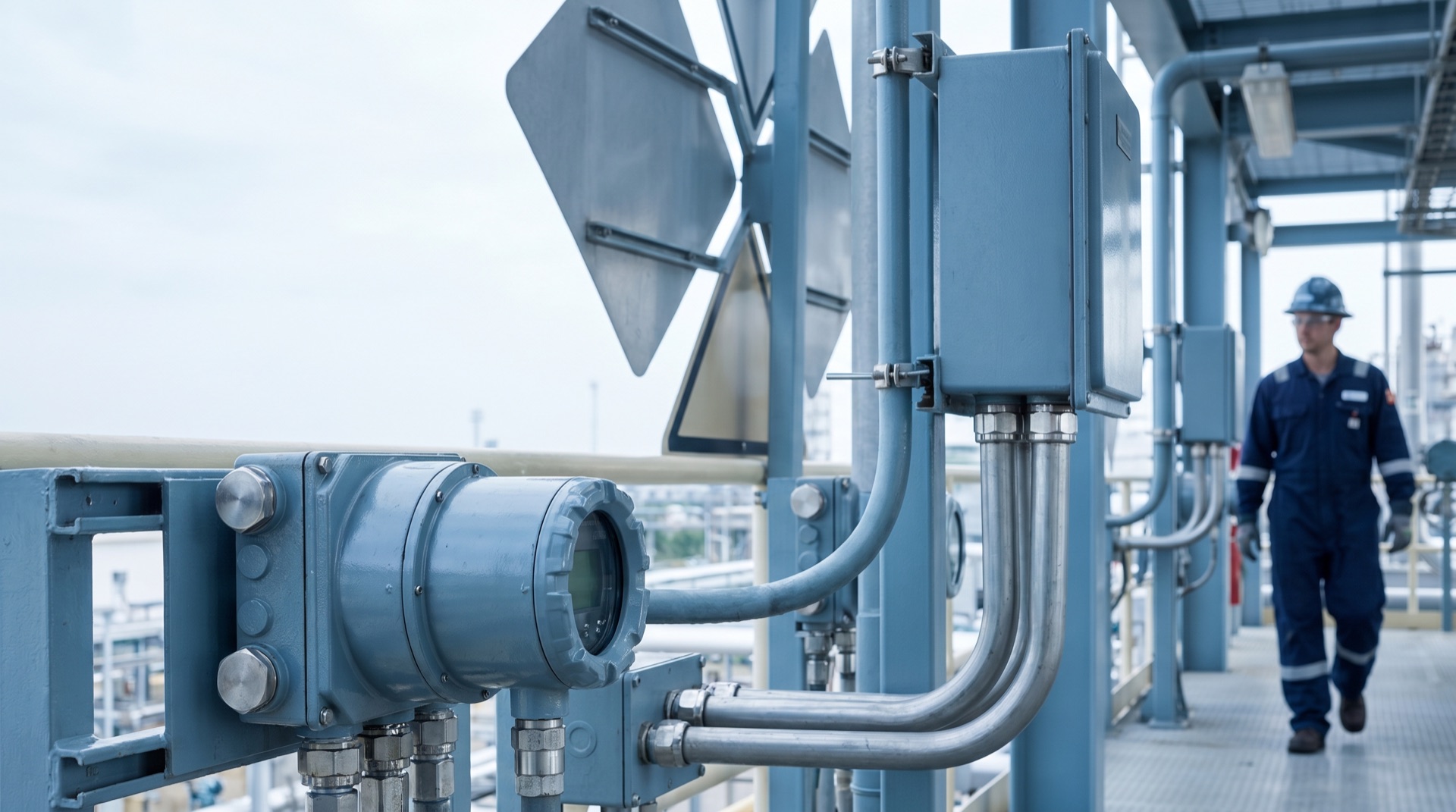
Refineries and petrochemical plants face a different version of the same problem: fired-heater tube-skin thermocouples must survive flame radiation for years, and any electrical instrument near hydrocarbon processing must carry the right certification for its location. Our guide to hazardous area classifications, zones and divisions explains how those requirements are determined. Furnace inspection and turnaround work also raise confined-space concerns; see our companion article on industrial gas detection for confined spaces. CTH supports these and many other heavy-industry sectors across Quebec and Canada with the same application-first approach to extreme temperature measurement.
Calibration, Documentation and Canadian Compliance
Extreme-temperature loops drift, so a measurement is only as credible as its calibration history. Heat-treatment operations serving aerospace and automotive customers are frequently audited against pyrometry specifications such as AMS2750E, which addresses sensor classes, calibration intervals and system accuracy testing; calibration providers accredited to ISO 17025 supply the traceable documentation those audits expect. Instruments installed in classified locations must additionally carry appropriate approvals under the Canadian Electrical Code and recognized certification bodies such as CSA. These frameworks evolve, so always verify current requirements with the issuing authority and your inspection body. Pairing sensors with modern process controllers and data recorders makes the documentation side dramatically easier.
OEM Temperature Sensing for Equipment Builders
Extreme temperature measurement is an OEM requirement as often as a plant one. Furnace builders, heat-treatment equipment manufacturers and packaged-system integrators design temperature sensing directly into their machines, and the priorities shift toward repeatable specifications, compact form factors and dependable supply across production runs. CTH supports equipment builders with Intempco RTDs and thermocouples configurable for integration, temperature sensors for general machine duties, and Accurate Sensors Technologies infrared systems where the measurement must be made without contact. Involving an application engineer at the design stage helps match sensor construction to the thermal environment before the first prototype is built.
Frequently Asked Questions
What is the best infrared temperature sensor for industrial foundry applications?
There is no single best instrument; the right choice depends on target material, temperature range and sight conditions. For low-emissivity molten or moving metals, purpose-built multi-wavelength pyrometers such as those from Accurate Sensors Technologies generally outperform general-purpose single-wavelength units. An application review of emissivity, distance and atmosphere should drive the selection.
How does emissivity affect an industrial infrared temperature sensor?
Emissivity determines how much radiation a surface emits at a given temperature. If the instrument assumes a higher emissivity than the surface actually has, it reads low, and vice versa. Shiny and molten metals are the most challenging targets, which is why wavelength selection and ratio or multi-wavelength techniques matter so much in metals processing.
What makes a thermocouple ruggedized?
A ruggedized thermocouple combines a sensing element suited to the temperature range with a protection tube or thermowell that resists the specific process attack, whether molten metal, corrosive gases, abrasion or thermal shock, plus high-temperature insulation, robust termination hardware and correctly matched extension cabling. It is an engineered assembly in its own right.
How often should foundry temperature measurement instruments be calibrated?
Intervals depend on the application, the consequences of error and any quality specifications you operate under, such as AMS2750E for heat treatment. High-drift services like immersion thermocouples in melt furnaces often warrant frequent verification checks between full calibrations. Set intervals from drift history and confirm specification requirements with the relevant authority or auditor.
Can infrared sensors and thermocouples be installed in hazardous classified areas?
Yes, provided the instrument carries the certification required for the specific zone or division, gas group and temperature code at the installation point. Classification requirements are covered in our hazardous area classifications guide, and final confirmation should always come from your authority having jurisdiction.
Extreme temperature measurement rewards careful engineering: the right sensing technology, a disciplined installation and a documentation trail that stands up to audit. For the bigger picture, including classification fundamentals, gas detection and harsh-environment optics such as the laser distance sensors used in Canadian mining, return to our pillar guide to hazardous area and extreme environment instrumentation.
Request an Application Engineering Consultation
CTH Industrial Controls helps foundries, steel mills and refineries across Quebec and Canada specify infrared pyrometers, ruggedized thermocouples, protection tubes and high-temperature cabling that survive real process conditions. Our team works with the instrumentation manufacturers CTH represents, including Accurate Sensors Technologies and Intempco, to match the technology to your measurement point. Request an application engineering consultation and bring us your most difficult temperature measurement challenge.