





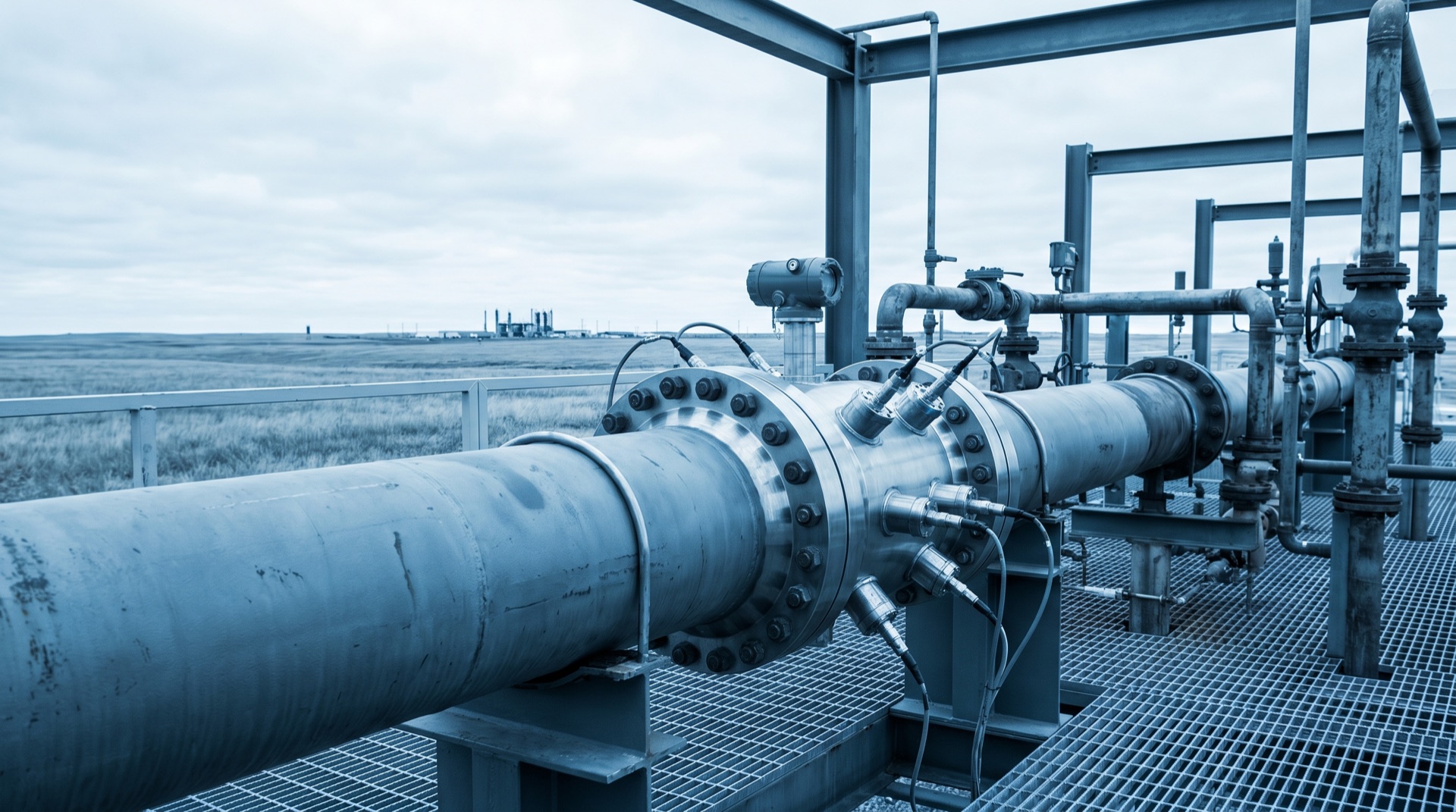
Sometimes the best place to measure flow is on the outside of the pipe. A clamp-on ultrasonic flow meter straps transducers to the pipe exterior and reads flow straight through the wall, with no cutting, no shutdown, no pressure drop and no contact with the fluid. That makes it one of the most flexible instruments a plant or pipeline team can own, equally useful for permanent metering on lines that cannot be broken into and for portable surveys across dozens of locations. This guide explains how clamp-on ultrasonic technology works, when to choose transit-time versus Doppler, and how to specify it well. It is one chapter of our complete guide to industrial flow measurement and custody transfer, where you can compare every major flow technology side by side.
CTH Industrial Controls supports pipeline, process, water and utility operations across Quebec and Canada with an extensive flow instrumentation portfolio, including clamp-on ultrasonic instruments from the Pulsar Greyline range carried by CTH.
How a Clamp-On Ultrasonic Flow Meter Works
Ultrasonic flow meters measure velocity with sound, and clamp-on designs do it without ever entering the pipe. Transducers mounted on the outside send ultrasonic pulses through the pipe wall and into the fluid, and the meter calculates velocity from how those pulses travel. Multiply velocity by the pipe’s cross-sectional area and the instrument reports volumetric flow. Because the transducers never touch the process, the same meter can move from a water line to a chemical line to a fuel line without wetted-material concerns or contamination risk.
There are two sensing principles, and choosing correctly is the single most important step in a successful clamp-on installation:
| Principle | How it measures | Best suited to |
|---|---|---|
| Transit-time | Compares the travel time of pulses sent with and against the flow; the time difference is proportional to velocity | Clean or lightly loaded fluids: water, oils, refined products, many chemicals |
| Doppler | Reflects sound off suspended solids or entrained bubbles and measures the frequency shift | Dirty or aerated fluids: wastewater, slurries, sludge, some process streams |
Transit-time needs a fluid acoustically clean enough to pass sound across the pipe, while Doppler needs reflectors present in the stream. Matching the principle to the fluid is what separates a meter that reads reliably from one that struggles, so application data such as fluid type, solids and gas content should drive the choice.
Why Choose Clamp-On Ultrasonic Measurement
The defining advantage of clamp-on metering is that installation requires no penetration of the pipe. That single fact drives most of the reasons operators reach for it:
- No shutdown or hot work. Transducers strap onto a live line, so there is no process interruption, no draining and no welding permit.
- No fluid contact. Nothing wets the process, which removes contamination, corrosion and cleaning concerns and suits hygienic and aggressive fluids alike.
- No pressure drop or obstruction. The bore stays clear, so there is no permanent energy cost and no place for material to catch.
- Retrofit and portability. A meter can be added to an existing line in minutes, or carried from point to point to gather data where no permanent meter exists.
- Wide pipe range. The same approach scales from small process lines to large transmission and water mains.
Permanent and Portable Clamp-On Instruments
Clamp-on meters come in two deployment styles, and many sites use both. The flow measurement product range at CTH includes each:
- Permanent clamp-on meters are mounted to a single line for continuous duty, an ideal fit where the line cannot be broken into, where the fluid is hazardous or fouling, or where a fast, low-cost flow signal is needed without a shutdown.
- Portable clamp-on meters run on battery power and move from point to point. Pipeline, water and facility teams use them to spot-check installed meters, confirm pump performance, detect valve passing or recirculation, measure utility and firewater lines that never justified a permanent meter, and survey flows before specifying a permanent installation.
Greyline transit-time and Doppler instruments, part of the Pulsar Greyline line carried by CTH, are widely used for both permanent and portable clamp-on work across water, wastewater and industrial sites.
Getting an Accurate Clamp-On Installation
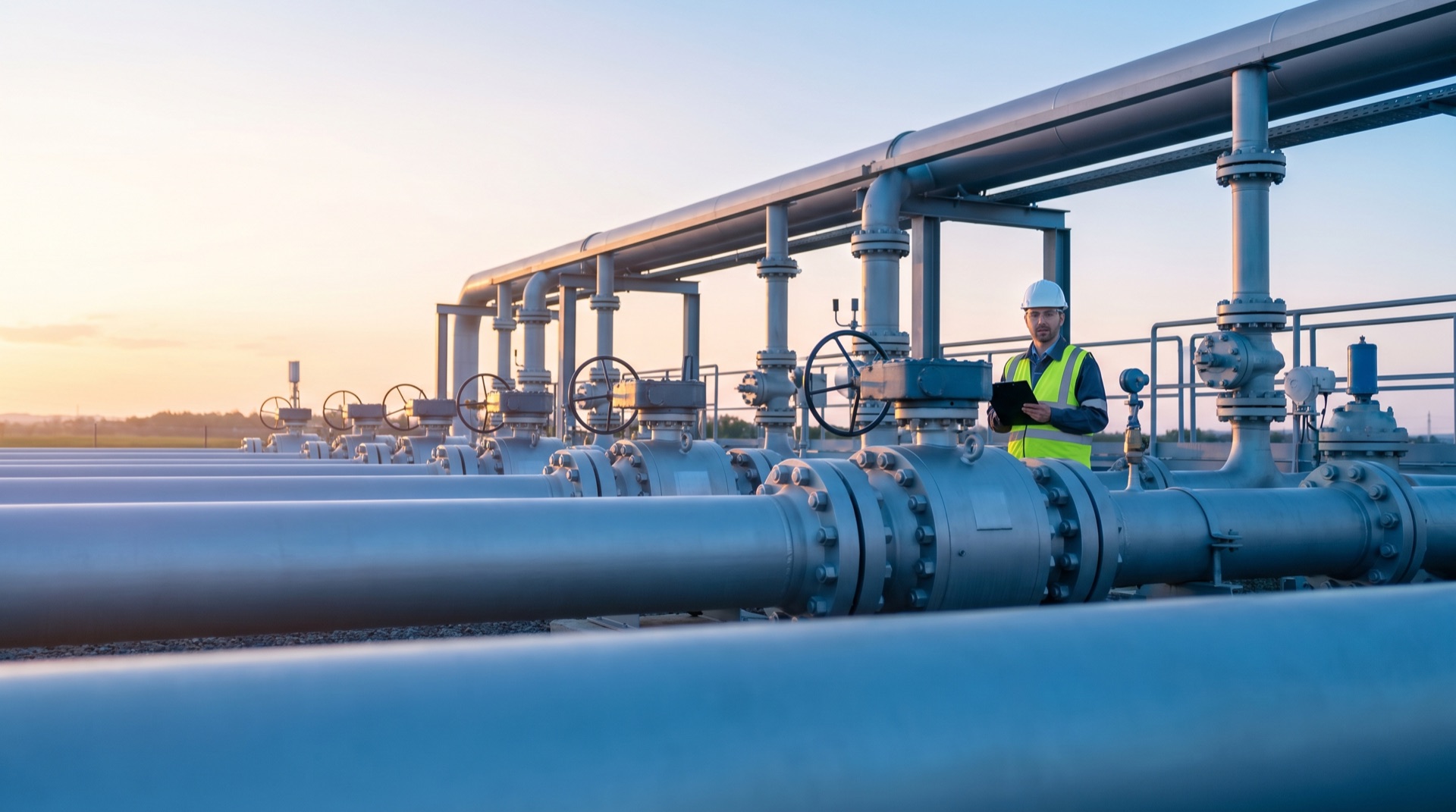
Clamp-on accuracy depends on the installation as much as the instrument, because the sound has to pass cleanly through the pipe wall and the flow profile has to be well developed where the transducers sit. A few fundamentals make the difference:
- Pipe and wall condition. Sound must cross the pipe wall, so heavy internal scaling, thick or loose liners, or badly corroded walls can weaken the signal. Pipe material and wall thickness are entered during setup.
- Straight run. Like most velocity meters, clamp-on instruments read best with adequate straight pipe upstream and downstream of the transducers, away from elbows, valves and pumps.
- A full pipe. The measurement assumes the pipe runs full at the sensor location; partially full lines need a different approach.
- Coupling and placement. Good acoustic coupling between transducer and pipe, plus correct spacing for the pipe size, are essential and are set during commissioning.
Because the measurement is made through the wall rather than against a precisely machined bore, clamp-on metering is typically specified for general flow measurement, surveys, control and verification rather than as an approved fiscal meter. Used within those expectations, it is one of the most cost-effective instruments a maintenance or process group can own.
Where Clamp-On Ultrasonic Fits Among Flow Technologies
No single technology wins everywhere. For conductive water-based streams such as produced water and municipal flows, our guide to magnetic flow meters for wastewater and slurries covers a robust in-line alternative. Where contracts settle on mass rather than volume, or blending precision drives profit, see Coriolis mass flow measurement for chemical batching. For steam and fuel gas utilities around pump and compressor stations, vortex and DP cone meters are usually the pragmatic choice. CTH application engineers support these selection decisions across all the industries we serve.
Frequently Asked Questions
What is the difference between transit-time and Doppler clamp-on flow meters?
Transit-time meters compare upstream and downstream pulse travel times and need a relatively clean fluid that lets sound pass through. Doppler meters bounce sound off suspended solids or bubbles, so they need those reflectors present. Clean fluids such as water, oils and many chemicals suit transit-time; dirty or aerated streams such as wastewater and slurry suit Doppler.
How accurate is a clamp-on ultrasonic flow meter?
Accuracy depends on the installation: pipe material and condition, adequate straight run, a full pipe and correct transducer placement and coupling. On a good installation, clamp-on meters deliver dependable accuracy for process, control and survey work. They are generally treated as general-purpose and verification instruments rather than approved fiscal meters.
Can a clamp-on meter be installed without shutting down the line?
Yes. That is the core advantage. Transducers strap to the outside of a live pipe, so there is no shutdown, draining, hot work or fluid contact. This makes clamp-on metering ideal for retrofits and for lines that cannot be taken out of service.
What pipe sizes and materials work with clamp-on ultrasonic meters?
Clamp-on meters cover a wide range of sizes, from small process lines to large mains, on metal and many plastic pipes. The pipe material and wall thickness are entered at setup. Heavy internal scaling, thick or loose liners and severe corrosion can weaken the signal, so pipe condition should be reviewed for difficult lines.
Can clamp-on ultrasonic meters be used for custody transfer?
Clamp-on instruments are normally used for process measurement, control, surveys and verification rather than as the approved fiscal meter, since trade measurement typically requires approved and verified in-line devices. A clamp-on meter is excellent for confirming that an installed custody transfer meter is still reading honestly. Confirm requirements for your application with Measurement Canada.
Clamp-on ultrasonic metering earns its place wherever measurement has to happen without breaking into the line. For the full technology landscape and selection fundamentals, return to our complete guide to industrial flow measurement and custody transfer.
Request an Application Engineering Consultation
Specifying a clamp-on ultrasonic flow meter comes down to a few details: fluid type and cleanliness, pipe material and condition, available straight run, and whether you need a permanent meter or a portable survey tool. CTH application engineers work through those with you, drawing on the full line-up of manufacturers CTH carries, including Pulsar Greyline clamp-on ultrasonic metering. Request an application engineering consultation and get a recommendation grounded in your fluid, your pipe and your application.